Squalus acanthias, Piked dogfish : fisheries, gamefish

You can sponsor this page

Squalus acanthias Linnaeus, 1758

Piked dogfish
ເພີ່ມ​ການ​ສັງ​ເກດ​ຂອງ​ທ່ານ​ໃນ​ Fish Watcher
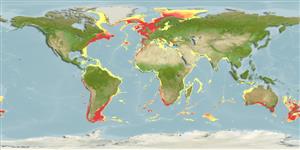
Native range | All suitable habitat | Point map | Year 2050
This map was computer-generated and has not yet been reviewed.
Squalus acanthias   AquaMaps   Data sources: GBIF OBIS
ອັບໂຫລດຂອງທ່ານ ຮູບພາບ ແລະ ວິດີໂອ
ຮູບ | ສຽງ | ສະແຕມ, ຫຼຽນ, ອື່ນໆ. | Google image
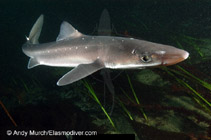
Image of Squalus acanthias (Piked dogfish)
Squalus acanthias
ຮູບພາບໂດຍ Murch, A.


Ireland territory information

Common names: An fiogach gobach, Spurdog
Occurrence: native
Salinity: brackish
Abundance: common (usually seen) | Ref: Went, A.E.J., 1957
Importance: minor commercial | Ref: FAO, 1994
Aquaculture: | Ref:
Regulations: | Ref:
Uses: no uses
Comments: Common in 1957 (Ref. 28679). Also Ref. 247, 137498.
National Checklist:
Territory Information: https://www.cia.gov/library/publications/resources/the-world-factbook/geos/ei.html
National Fisheries Authority:
Occurrences: Occurrences Point map
Main Ref: Went, A.E.J., 1957
National Database:

Common names from other countries

ການຈັດປະເພດ / ຊື່ ຊື່ສາມັນ | ຄຳສັບຄ້າຍຄືກັນ | Catalog of Fishes(ຕະກຸນ, ຊະນິດ) | ITIS | CoL | WoRMS | Cloffa

ກຸ່ມປາກະດູກອ່ອນ (ເຊັ່ນ: ປາສະຫລາມ, ປາຜາໄລ) (sharks and rays) > Squaliformes (Sleeper and dogfish sharks) > Squalidae (Dogfish sharks)
Etymology: Squalus: Genus name from Latin 'squalus' meaning shark (Ref. 6885, 27436)acanthias: Genus name from the Latin 'squalus' meaning shark; species name from the Greek 'akanthias' referring to the spines (Ref. 6885, 27436).
More on author: Linnaeus.

Taxonomic Remarks
Squalus suckleyi (Girard, 1855) has been resurected by Ebert et al. (2010: Ref. 85328) in the North Pacific where it replaces Squalus acanthias Linnaeus, 1758.

ສະພາບແວດລ້ອມ: ສະພາບແວດລ້ອມ / ເຂດ​ດິນ​ຟ້າ​ອາ​ກາດ​ / ລະດັບຄວາມເລິກ / ຂອບເຂດການແຈກຢາຍ ນິເວດວິທະຍາ

ສັດທະເລ; ນ້ຳກ່ອຍ ກ່ຽວກັບ(ຢູ່)ຊັ້ນນ້ຳໃນທະເລທີ່ເໜີອພື້ນດິນ; ປາທີ່ມີການເຄື່ອນຍ້າຍໃນສະເພາະມາະຫາສະມຸດ (Ref. 138310); ລະດັບຄວາມເລິກ 0 - 1978 m (Ref. 125614), usually 50 - 300 m (Ref. 43939). Temperate; 7°C - 15°C (Ref. 247); 78°N - 57°S, 82°W - 171°W (Ref. 247)

ການແຜ່ກະຈາຍ ອານາເຂດ | ເຂດ FAO | ລະບົບນິເວດ | ການປະກົດຕົວ | ຈຸດໃດໜຶ່ງທີ່ສະແດງອອກໃນແຜນທີ່ (ພ້ອມທັງສະແດງຂໍ້ມູນເພີ້ນເຕີມ) | ການແນະນຳ | Faunafri

Circumglobal (boreal and temperate); except in the North Pacific (Ref. 119696), where all records refer to Squalus suckleyi (Girard, 1855) (Ref. 85328).

ຄວາມ​ຍາວ​ໃນ​ການ​ເຕີບ​ໂຕ​ເຕັມ​ຄັ້ງ​ທໍາ​ອິດ​ / ຂະໜາດ / ນ້ຳໜັກ / ອາຍຸ

ການຈະເລີນເຕັມໄວ: Lm 80.9, range 69 - 100 cm
Max length : 160 cm TL ຕົວຜູ້/ບໍ່ມີເພດ; (Ref. 119696); 122.0 cm (female); common length : 100.0 cm TL ຕົວຜູ້/ບໍ່ມີເພດ; (Ref. ); ນ້ຳໜັກສູງສຸດທີ່ເຄຍຈັດພີມມາ: 9.1 kg (Ref. 11389); ອາຍຸສູງສຸດທີ່ເຄຍລາຍງານມາ: 75 ປີ (Ref. 39247)

ຄຳອະທິບາຍສັ້ນໆ ຕົວທີ່ໃຊ້ໃນການຈຳແນກຊະນິດ | ສະລີລະວິທະຍາ | ການວັດແທກຮູບຮ່າງລັກສະນະພາຍນອກຂອງດິນ,ສັດ,ປາ…

ຄີ (ໜາມ)ແຂງຢູ່ຫຼັງປາ (ທັງໝົດ) : 2; ຄີ(ໜາມ) ແຂງຢູ່ຄີກົ້ນປາ ກຸ່ມປາກະດູກແຂງ ຄວາມຖີ່ຂອງກຸ່ມຖ່າຍທອດພັນ ປາທີ່ມີການເຄື່ອນຍ້າຍຈາກທະເລໄປຫານ້ຳຈືດ ແລະນ້ຳຈືດຫາທະເລ ປາທີ່ມີການເຄື່ອນຍ້າຍຈາກທະເລແລະໄປໄຂ່ຢູ່ນ້ຳຈືດ ຄີກົ້ນຂອງປາ ສັດທີ່ມີກະດູກສັນຫັຼງ ການຖ່າຍທອດທາງກຳມະພັນຈາກພໍ່ແມ່ຫາລູກ: 0; ສັດທີ່ມີກະດູກສັນຫຼັງ: 101 - 109. This moderately sized species is distinguished by the following set of characters: very slender body, abdomen width 7.2-9.2% TL; narrow head, width at mouth 7.9-10.2% TL; mouth width 1.7-2.2 times its horizontal prenarial length; moderately long snout, preoral length 2.2-2.5 times horizontal prenarial length, 8.5-9.8% TL; single-lobed anterior nasal flap; small dorsal fins, raked, first dorsal-fin height 1.1-1.3 times its inner margin length, second dorsal-fin height 0.7-0.9 times its inner margin length; origin of first dorsal-fin located just posterior to pectoral-fin free rear tips; exposed bases of dorsal-fin spines relatively narrow, 0.4-0.7% TL; short spine of first dorsal fin, exposed length 1.7-2.7% TL; pectoral-fin anterior margin 1.9-3.1 times its inner margin length; preventral caudal margin 1.9-2.6 times inner margin of pelvic fin; pale caudal fin with poorly demarcated, whitish margin, blackish caudal blotch at the apex of upper lobe, anterior margins of both lobes whitish in juveniles; dark caudal bar absent; dorsal and lateral surfaces of body bluish grey with an irregular array of moderately-large white spots; whitish ventrally; flank denticles tricuspid; monospondylous centra 41-45, precaudal centra 74-79, total centra 100-105 (Ref. 58446).
Body shape (shape guide): elongated; Cross section: compressed.

ຊີວະສາດ     ຄຳແປສັບ (ຕ.ຢ. epibenthic)

Possibly the most abundant living shark (Ref. 247). A demersal, inshore and offshore dogfish of the continental and insular shelf and upper slopes (Ref. 247, 11230, 119696). Usually near the bottom, but also in midwater and at the surface (Ref. 26346). Adults occur mainly between 10-200 m depth (Ref. 247). Males and gravid females usually found shallower than non-gravid females. They tolerate brackish water, often found in enclosed bays and estuaries. Reported to enter freshwater (Ref. 11980) but cannot survive there for more than a few hours (Ref. 247). Highly migratory species, used to be observed in large foraging schools with up to thousands of individuals, usually segregated by size and /or sex, with schools of large gravid females preferentially targeted by fisheries. Their latitudinal (north-south) and depth-related (nearshore-offshore) movements appear to be correlated with their preferred temperature (Ref. 247). Tagging experiments showed that populations in the northern North Sea and northwest Scotland made winter migrations to off Norway and summer migrations to Scotland (Ref. 88880, 88881). Transoceanic migrations recorded, but rare (Ref. 88864). Longevity in the northern Atlantic is about 35-50 years (Ref. 88882), but most live only 20-24 years (Ref. 88187). Growth is slow. At sexual maturity, males are 60-70 cm long, females 75-90 cm (Ref. 35388). Gestation period is 2 years (Ref. 36731). Ovoviviparous (Ref. 205). Feeds on a diversity of prey, ranging from comb jellyfish, squid, mackarel and herring to a wide array of benthic fishes, shrimps, crabs and even sea cucumbers (Ref. 93252). The only species of horned sharks that can inflict toxins with its tail. Detects weak electric fields generated by potential prey (Ref. 10311). Utilized for human consumption, liver oil, vitamins, sand paper, leather, fertilizer, etc. (Ref. 247, 27436). Eaten fried, broiled, and baked (Ref. 9988).

ວົງຈອນຊີວິດ ແລະພຶດຕິກໍາການຫາຄູ່ ການຈະເລີນເຕັມໄວ | ການສືບພັນ | ການວາງໄຂ່ | ໄຂ່ | ຄວາມດົກຂອງໄຂ່ປາ | ຕົວອ່ອນ

Distinct pairing with embrace (Ref. 205). Ovoviviparous, with litters of 1 to 21 young (Ref. 247, 88865). Mating probably occurs in winter. Gestation period of 18 to 24 months, longest known of all chondrichthyans (Ref. 26346). Size at birth 18-30 cm (Ref. 26346). In the northeast Atlantic, pups are born in winter, with size at birth about 26-28 cm (Ref. 88864). Sex ratio at birth is 1:1. Gravid females congregate in enclosed shallow bays to give birth (Ref. 247). The mother shark experiences a series of rhythmic contractions, just like in mammals, and the young are delivered head first. Larger older females have bigger litters with larger pups; a female with 100 cm TL carries on average 4 times as many embryos compared to a 70 cm female and the former have higher survival rates than those born to small females (Ref. 4856, 88869, 88883).

ເອກະສານອ້າງອີງຫຼັກ ອັບໂຫລດເອກະສານອ້າງອີງຂອງທ່ານ | ເອກະສານອ້າງອີງ | ຜູ້ປະສານງານ : Compagno, Leonard J.V. | ຜູ້ຮ່ວມມື

Ebert, D.A., W.T. White, K.J. Goldman, L.J.V. Compagno, T.S. Daly-Engel and R.D. Ward, 2010. Resurrection and redescription of Squalus suckleyi (Girard, 1854) from the North Pacific, with comments on the Squalus acanthias subgroup (Squaliformes: Squalidae). Zootaxa 2612:22-40. (Ref. 85328)

ສະຖານະພາບບັນຊີແດງຂອງ IUCN (Ref. 130435: Version 2025-2 (Global))

  ມີຄວາມສ່ຽງ (VU) (A2bd); Date assessed: 21 November 2019

CITES

Not Evaluated

ໄພຂົ່ມຂູ່ຕໍ່ມະນຸດ

  Venomous (Ref. 4690)


ການນໍາໃຊ້ຂອງມະນຸດ

ການປະມົງ: ເປັນສີນຄ້າ; ຊະນິດປາທີ່ຖືກນຳໃຊ້ເຂົ້າໃນການຫາເພື່ອເປັນເກມກິລາ: ແມ່ນ

ຂໍ້ມູນຕື່ມອີກ

ວົງຈອນຊີວິດ
ການສືບພັນ
ການຈະເລີນເຕັມໄວ
ການເຕີບໃຫຍ່ / Gills rel.
ຄວາມດົກຂອງໄຂ່ປາ
ການວາງໄຂ່
ການລວບລວມການວາງໄຂ່
ໄຂ່
ການພັດທະນາໄຂ່
ຕົວອ່ອນ
ການປ່ຽນແປງຂອງຕົວອ່ອນ
ການແຜ່ກະຈາຍ
ອານາເຂດ
ເຂດ FAO
ລະບົບນິເວດ
ການປະກົດຕົວ
ການແນະນຳ
BRUVS - ວິດີໂອ
ຮ່າງກາຍ
ເນື້ອທີ່ເຫືອກ
ສະໝອງ
ໂອໂຕລິດ
ຟີຊິກສາດ
ອົງປະກອບຂອງຮ່າງກາຍ
ທາດອາຫານ
ການບໍລິໂພກອົກຊີເຈນ
ປະເພດລອຍ
ຄວາມໄວໃນການລອຍ
ເມັດສີທີ່ເບິ່ງເຫັນ
ສຽງປາ
ພະຍາດ & ກາຝາກ
ຄວາມເປັນພິດ (LC50s)
ກຳມະພັນ
ພັນທຸ ກຳ
ກຳມະພັນ
Heterozygosity
ການຖ່າຍທອດທາງກຳມະພັນຈາກພໍ່ແມ່ຫາລູກ
ມະນຸດທີ່ກ່ຽວຂ້ອງ
ລະບົບການລ້ຽງປາ
ຂໍ້ມູນການລ້ຽງສັດນ້ຳ
ສາຍພັນ
ກໍລະນີ Ciguatera
ສະແຕມ, ຫຼຽນ, ອື່ນໆ.
ເຜີຍແຜ່
ຜູ້ຮ່ວມມື
ເອກະສານອ້າງອີງ
ເອກະສານອ້າງອີງ

ເຄື່ອງມື

ບົດລາຍງານພິເສດ

ດາວໂຫລດ XML

ແຫຼ່ງອີນເຕີເນັດ

ການຄາດຄະເນໂດຍອີງໃສ່ແບບຈໍາລອງ

ອຸນຫະພູມທີ່ຕ້ອງການ (ເອກະສານອ້າງອີງ 123201): 4.2 - 18.7, mean 9.9 °C (based on 4651 cells).
ດັດຊະນີຄວາມຫຼາກຫຼາຍທາງຊີວະພາບ (ເອກະສານອ້າງອີງ 82804):  PD50 = 0.5000   [Uniqueness, from 0.5 = low to 2.0 = high].
Bayesian length-weight: a=0.00288 (0.00247 - 0.00336), b=3.07 (3.03 - 3.11), in cm total length, based on LWR estimates for this species (Ref. 93245).
ຊັ້ນເຂດຮ້ອນ (ເອກະສານອ້າງອີງ 69278):  4.4   ±0.4 se; based on diet studies.
Generation time: 12.2 (8.7 - 15.7) years. Estimated as median ln(3)/K based on 22 growth studies.
ຄວາມຢືດຢຸ່ນ (ເອກະສານອ້າງອີງ 120179):  ຕຳ່ຫຼາຍ, ປະຊາກອນຕຳ່ສຸດທີ່ໃຊ້ເວລາສອງເທົ່າຫຼາຍກວ່າ 14 ປີ (rm=0.034; K=0.03-0.07; tm=10-30; tmax=75; Fec=1).
Prior r = 0.07, 95% CL = 0.05 - 0.10, Based on 10 full stock assessments.
ຄວາມສ່ຽງຕໍ່ການຫາປາ (Ref. 59153):  High vulnerability (64 of 100). 🛈
ຄວາມສ່ຽງດ້ານສະພາບອາກາດ (Ref. 125649):  High vulnerability (62 of 100). 🛈
ປະເພດລາຄາ (Ref. 80766):   Medium.
ທາດອາຫານ (Ref. 124155):  Calcium = 7.1 [1.6, 32.4] mg/100g; Iron = 0.198 [0.051, 0.558] mg/100g; Protein = 18.2 [16.5, 19.6] %; Omega3 = 0.795 [0.344, 1.864] g/100g; Selenium = 18.2 [4.9, 54.0] μg/100g; VitaminA = 22.5 [8.1, 66.4] μg/100g; Zinc = 0.413 [0.203, 0.802] mg/100g (wet weight); based on nutrient studies.