



Pseudocaranx dentex (Bloch & Schneider, 1801)
White trevally
ເພີ່ມການສັງເກດຂອງທ່ານໃນ Fish Watcher
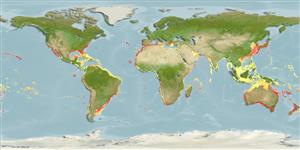
| Native range | All suitable habitat | Point map | Year 2050 |
|
| This map was computer-generated and has not yet been reviewed. |
| Pseudocaranx dentex AquaMaps Data sources: GBIF OBIS |
ອັບໂຫລດຂອງທ່ານ ຮູບພາບ ແລະ ວິດີໂອ
ຮູບ | ວິດີໂອ | Google image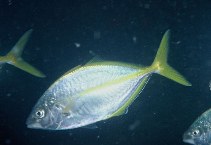 Pseudocaranx dentex
ຮູບພາບໂດຍ Carvalho Filho, A.
ຮູບ | ວິດີໂອ | Google image
ຮູບພາບໂດຍ Carvalho Filho, A.
ການຈັດປະເພດ / ຊື່ ຊື່ສາມັນ | ຄຳສັບຄ້າຍຄືກັນ | Catalog of Fishes(ຕະກຸນ, ຊະນິດ) | ITIS | CoL | WoRMS | Cloffa
> Carangiformes (Jacks) > Carangidae (Jacks and pompanos) > Caranginae
Etymology: Pseudocaranx: Greek, pseudes = false + French, carangue, the name of a Caribbean fish; 1836 (Ref. 45335).
More on authors: Bloch & Schneider.
Etymology: Pseudocaranx: Greek, pseudes = false + French, carangue, the name of a Caribbean fish; 1836 (Ref. 45335).
More on authors: Bloch & Schneider.
Taxonomic Remarks
The species Pseudocaranx cheilio (Snyder, 1904) is considered as valid in Eschmeyer (CofF ver. Mar. 2011: Ref. 86697) following Randall (2007: Ref. 86689). The species Pseudocaranx georgianus (Cuvier, 1833) is considered as valid in CofF ver. May. 2011 following Smith-Vaniz & Jelks (2006: Ref. 76781), with Caranx luna Geoffroy Saint-Hilaire, 1817, Caranx platessa Cuvier, 1833, Caranx nobilis Macleay,1881, and Usacaranx archeyi Griffin, 1932 as synonyms. Caranx georgianus (now under Pseudocaranx is also a valid species.
ສະພາບແວດລ້ອມ: ສະພາບແວດລ້ອມ / ເຂດດິນຟ້າອາກາດ / ລະດັບຄວາມເລິກ / ຂອບເຂດການແຈກຢາຍ ນິເວດວິທະຍາ
ສັດທະເລ; ນ້ຳກ່ອຍ ກ່ຽວກັນຫີນ; ລະດັບຄວາມເລິກ 10 - 238 m (Ref. 58302), usually 10 - 25 m (Ref. 5288). Tropical; 40°N - 47°S
ການແຜ່ກະຈາຍ ອານາເຂດ | ເຂດ FAO | ລະບົບນິເວດ | ການປະກົດຕົວ | ຈຸດໃດໜຶ່ງທີ່ສະແດງອອກໃນແຜນທີ່ (ພ້ອມທັງສະແດງຂໍ້ມູນເພີ້ນເຕີມ) | ການແນະນຳ | Faunafri
Western Atlantic: North Carolina, USA and Bermuda to southern Brazil. Eastern Atlantic: Mediterranean, Azores, Madeira, the Canary Islands, Cape Verde, Ascension and St. Helena Island. Indo-Pacific: South Africa, Japan, Hawaii (Ref. 26145), Australia, Lord Howe and Norfolk islands, New Zealand. Reported from New Caledonia (Ref. 9070).
ຄວາມຍາວໃນການເຕີບໂຕເຕັມຄັ້ງທໍາອິດ / ຂະໜາດ / ນ້ຳໜັກ / ອາຍຸ
ການຈະເລີນເຕັມໄວ: Lm 34.5, range 28 - 37 cm
Max length : 122 cm TL ຕົວຜູ້/ບໍ່ມີເພດ; (Ref. 4887); common length : 40.0 cm TL ຕົວຜູ້/ບໍ່ມີເພດ; (Ref. 9258); ນ້ຳໜັກສູງສຸດທີ່ເຄຍຈັດພີມມາ: 18.1 kg (Ref. 4887); ອາຍຸສູງສຸດທີ່ເຄຍລາຍງານມາ: 49 ປີ (Ref. 31614)
Max length : 122 cm TL ຕົວຜູ້/ບໍ່ມີເພດ; (Ref. 4887); common length : 40.0 cm TL ຕົວຜູ້/ບໍ່ມີເພດ; (Ref. 9258); ນ້ຳໜັກສູງສຸດທີ່ເຄຍຈັດພີມມາ: 18.1 kg (Ref. 4887); ອາຍຸສູງສຸດທີ່ເຄຍລາຍງານມາ: 49 ປີ (Ref. 31614)
ຄຳອະທິບາຍສັ້ນໆ ຕົວທີ່ໃຊ້ໃນການຈຳແນກຊະນິດ | ສະລີລະວິທະຍາ | ການວັດແທກຮູບຮ່າງລັກສະນະພາຍນອກຂອງດິນ,ສັດ,ປາ…
ຄີ (ໜາມ)ແຂງຢູ່ຫຼັງປາ (ທັງໝົດ) : 9; ຄີຫຼັງຂອງປາ (ຄີອ່ອນ) (ທັງໝົດ) : 25 - 26; ຄີ(ໜາມ) ແຂງຢູ່ຄີກົ້ນປາ
ກຸ່ມປາກະດູກແຂງ
ຄວາມຖີ່ຂອງກຸ່ມຖ່າຍທອດພັນ
ປາທີ່ມີການເຄື່ອນຍ້າຍຈາກທະເລໄປຫານ້ຳຈືດ ແລະນ້ຳຈືດຫາທະເລ
ປາທີ່ມີການເຄື່ອນຍ້າຍຈາກທະເລແລະໄປໄຂ່ຢູ່ນ້ຳຈືດ
ຄີກົ້ນຂອງປາ
ສັດທີ່ມີກະດູກສັນຫັຼງ
ການຖ່າຍທອດທາງກຳມະພັນຈາກພໍ່ແມ່ຫາລູກ: 3; ຄີກົ້ນຂອງປາ: 21 - 22; ສັດທີ່ມີກະດູກສັນຫຼັງ: 25. Greenish blue above, silvery white below; midside of body with yellow stripe; opercle with black spot (Ref. 3197). LL with 20-26 scutes (Ref. 6390). With maxilla the rear edge sloping slightly forward to its main axis, a large, diffuse dark blotch on the operculum, and a lateral line with 57-78 scales in the curved portion and 34-46 posterior scutes (Ref. 33616).
Body shape (shape guide): fusiform / normal.
Body shape (shape guide): fusiform / normal.
Adults occur in bays and coastal waters, including estuaries (Ref. 9563). Juveniles usually inhabit estuaries, bays and shallow continental shelf waters, while adults form schools near the sea bed on the continental shelf (Ref. 6390). Schools are found at the surface, in mid-water and on the bottom and are often associated with reefs and rough bottom (Ref. 9072). Schools are sometimes mixed with Caranx koheru and Arripis trutta (Ref. 9072). Feed on plankton by ram-filtering and suction feeding and on bottom invertebrates (Ref. 9072, 30206). Eggs are pelagic (Ref. 4233). Cultured only in Japan. (Ref. 4931). One of the best table fish 'being indeed the salmon of St. Helena' (Ref. 5288).
ວົງຈອນຊີວິດ ແລະພຶດຕິກໍາການຫາຄູ່ ການຈະເລີນເຕັມໄວ | ການສືບພັນ | ການວາງໄຂ່ | ໄຂ່ | ຄວາມດົກຂອງໄຂ່ປາ | ຕົວອ່ອນ
They are usually partial spawners, releasing eggs in small batches at intervals over a period of several weeks (Ref. 27733).
ເອກະສານອ້າງອີງຫຼັກ
ອັບໂຫລດເອກະສານອ້າງອີງຂອງທ່ານ | ເອກະສານອ້າງອີງ | ຜູ້ປະສານງານ : Smith-Vaniz, William F. | ຜູ້ຮ່ວມມື
Paxton, J.R., D.F. Hoese, G.R. Allen and J.E. Hanley, 1989. Pisces. Petromyzontidae to Carangidae. Zoological Catalogue of Australia, Vol. 7. Australian Government Publishing Service, Canberra, 665 p. (Ref. 7300)
ສະຖານະພາບບັນຊີແດງຂອງ IUCN (Ref. 130435: Version 2025-2 (Global))
Least Concern (LC) ; Date assessed: 10 May 2013
CITES
Not Evaluated
ໄພຂົ່ມຂູ່ຕໍ່ມະນຸດ
Harmless
ການນໍາໃຊ້ຂອງມະນຸດ
ການປະມົງ: ເປັນສີນຄ້າ; ການລ້ຽງສັດນ້ຳ: ເປັນສີນຄ້າ; ຊະນິດປາທີ່ຖືກນຳໃຊ້ເຂົ້າໃນການຫາເພື່ອເປັນເກມກິລາ: ແມ່ນ
FAO - ລະບົບການລ້ຽງປາ: ຜົນຜະລິດ; ການປະມົງ: ການລົງຈອດ; Publication: search | FishSource | ທະເລອ້ອມຂ້າງພວກເຮົາ
ຂໍ້ມູນຕື່ມອີກ
ນະໂຍບາຍດ້ານປະຊາກອນ
ຕົວວັດແທກການເຕີບໃຫຍ່
ສູງສຸດ. ອາຍຸ / ຂະຫນາດ
ຄວາມຍາວ-ນ້ໍາຫນັກ rel.
ຄວາມຍາວ - ຄວາມຍາວ rel.
ຄວາມຖີ່ຄວາມຍາວ
ການແປງມະຫາຊົນ
ການທົດແທນທີ່
ຄວາມອຸດົມສົມບູນ
ຕົວວັດແທກການເຕີບໃຫຍ່
ສູງສຸດ. ອາຍຸ / ຂະຫນາດ
ຄວາມຍາວ-ນ້ໍາຫນັກ rel.
ຄວາມຍາວ - ຄວາມຍາວ rel.
ຄວາມຖີ່ຄວາມຍາວ
ການແປງມະຫາຊົນ
ການທົດແທນທີ່
ຄວາມອຸດົມສົມບູນ
ວົງຈອນຊີວິດ
ການສືບພັນ
ການຈະເລີນເຕັມໄວ
ການເຕີບໃຫຍ່ / Gills rel.
ຄວາມດົກຂອງໄຂ່ປາ
ການວາງໄຂ່
ການລວບລວມການວາງໄຂ່
ໄຂ່
ການພັດທະນາໄຂ່
ຕົວອ່ອນ
ການປ່ຽນແປງຂອງຕົວອ່ອນ
ການສືບພັນ
ການຈະເລີນເຕັມໄວ
ການເຕີບໃຫຍ່ / Gills rel.
ຄວາມດົກຂອງໄຂ່ປາ
ການວາງໄຂ່
ການລວບລວມການວາງໄຂ່
ໄຂ່
ການພັດທະນາໄຂ່
ຕົວອ່ອນ
ການປ່ຽນແປງຂອງຕົວອ່ອນ
ຟີຊິກສາດ
ອົງປະກອບຂອງຮ່າງກາຍ
ທາດອາຫານ
ການບໍລິໂພກອົກຊີເຈນ
ປະເພດລອຍ
ຄວາມໄວໃນການລອຍ
ເມັດສີທີ່ເບິ່ງເຫັນ
ສຽງປາ
ພະຍາດ & ກາຝາກ
ຄວາມເປັນພິດ (LC50s)
ອົງປະກອບຂອງຮ່າງກາຍ
ທາດອາຫານ
ການບໍລິໂພກອົກຊີເຈນ
ປະເພດລອຍ
ຄວາມໄວໃນການລອຍ
ເມັດສີທີ່ເບິ່ງເຫັນ
ສຽງປາ
ພະຍາດ & ກາຝາກ
ຄວາມເປັນພິດ (LC50s)
ມະນຸດທີ່ກ່ຽວຂ້ອງ
ລະບົບການລ້ຽງປາ
ຂໍ້ມູນການລ້ຽງສັດນ້ຳ
ສາຍພັນ
ກໍລະນີ Ciguatera
ສະແຕມ, ຫຼຽນ, ອື່ນໆ.
ລະບົບການລ້ຽງປາ
ຂໍ້ມູນການລ້ຽງສັດນ້ຳ
ສາຍພັນ
ກໍລະນີ Ciguatera
ສະແຕມ, ຫຼຽນ, ອື່ນໆ.
ເຄື່ອງມື
Bio Quiz | E-book | ຄູ່ມືພາກສະໜາມ | ຕົວທີ່ໃຊ້ໃນການຈຳແນກຊະນິດ | ຄວາມຖີ່ຂອງຄວາມຍາວປາ | ເຄື່ອງມືຂອງຊີວະປະຫວັດທາງດ້ານຊີວິດ | ຈຸດໃດໜຶ່ງທີ່ສະແດງອອກໃນແຜນທີ່ (ພ້ອມທັງສະແດງຂໍ້ມູນເພີ້ນເຕີມ) |
ຈັບ-MSY |
ບົດລາຍງານພິເສດ
ກວດສອບການບໍາລຸງຮັກສາຕູ້ປາ | ກວດເບິ່ງເອກະສານຄວາມຈິງຂອງຊະນິດ | ກວດເບິ່ງເອກະສານຄວາມເປັນຈິງການລ້ຽງສັດນ້ຳ
ດາວໂຫລດ XML
ແຫຼ່ງອີນເຕີເນັດ
AFORO (otoliths) | Aquatic Commons | BHL | Cloffa | Websites from users | Check FishWatcher | CISTI | Catalog of Fishes: ຕະກຸນ, ຊະນິດ | DiscoverLife | ECOTOX | FAO - ລະບົບການລ້ຽງປາ: ຜົນຜະລິດ; ການປະມົງ: ການລົງຈອດ; Publication: search | Faunafri | Fishipedia | Fishtrace | GloBI | Google Books | Google Scholar | Google | IGFA World Record | ຖານຂໍ້ມູນແຫ່ງຊາດ | OneZoom | Open Tree of Life | Otolith Atlas of Taiwan Fishes | PubMed | Reef Life Survey | Socotra Atlas | TreeBase | ແຜນທີ່ສະແດງກິ່ງງ່າຂອງເຊື້ອຕະກຸນປາ, ສັດ ຈາກບັນພະບູລຸດຈົນເຖິງຫລານ | Wikipedia: Go, ຊອກຫາ | World Records Freshwater Fishing | ການບັນທຶກດ້ານສັດວິທະຍາ
ການຄາດຄະເນໂດຍອີງໃສ່ແບບຈໍາລອງ
ອຸນຫະພູມທີ່ຕ້ອງການ (ເອກະສານອ້າງອີງ 123201): 15.3 - 25.9, mean 22.3 °C (based on 362 cells).
ດັດຊະນີຄວາມຫຼາກຫຼາຍທາງຊີວະພາບ (ເອກະສານອ້າງອີງ 82804): PD50 = 0.5625 [Uniqueness, from 0.5 = low to 2.0 = high].
Bayesian length-weight: a=0.01380 (0.00852 - 0.02237), b=2.97 (2.84 - 3.10), in cm total length, based on LWR estimates for this species & (Sub)family-body (Ref. 93245).
ຊັ້ນເຂດຮ້ອນ (ເອກະສານອ້າງອີງ 69278): 3.9 ±0.6 se; based on diet studies.
ຄວາມຢືດຢຸ່ນ (ເອກະສານອ້າງອີງ 120179): ຕຳ່, ປະຊາກອນຕຳ່ສຸດທີ່ໃຊ້ເວລາສອງເທົ່າ 4.5 - 14 ປີ (Assumed K=0.06 and tm>5; tmax=49).
Prior r = 0.42, 95% CL = 0.28 - 0.63, Based on 1 data-limited stock assessment.
ທາດອາຫານ (Ref. 124155): Calcium = 23.5 [11.5, 45.7] mg/100g; Iron = 0.594 [0.313, 1.142] mg/100g; Protein = 19.6 [18.4, 20.9] %; Omega3 = 0.144 [0.086, 0.253] g/100g; Selenium = 52.3 [26.4, 100.4] μg/100g; VitaminA = 74 [18, 275] μg/100g; Zinc = 0.975 [0.667, 1.364] mg/100g (wet weight);