



Chaetostoma formosae Ballen, 2011
Загрузить свой Фото и Видео
изображения | Изображение на Google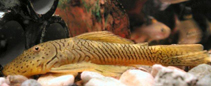 Chaetostoma formosae
Изображение сделано Ng, H.H.
изображения | Изображение на Google
Изображение сделано Ng, H.H.
Классификация / Имена народные названия | синонимы | Catalog of Fishes(род, виды) | ITIS | CoL | WoRMS | Cloffa
> Siluriformes (Catfishes) > Loricariidae (Armored catfishes) > Hypostominae
Etymology: Chaetostoma: Greek, chaite = hair + Greek, stoma = mouth (Ref. 45335); formosae: This species is named formosae, an adjective in genitive case derived from the latin formosa. The name honours my sister, Laura María Ballen, in recognition of her unconditional love and support to me.
Etymology: Chaetostoma: Greek, chaite = hair + Greek, stoma = mouth (Ref. 45335); formosae: This species is named formosae, an adjective in genitive case derived from the latin formosa. The name honours my sister, Laura María Ballen, in recognition of her unconditional love and support to me.
Окружающая среда: среда / климатическая зона / пределы глубины / диапазон распространения экология
; пресноводный демерсальный. Tropical
распространение Территории | регионы FAO | Экосистемы | места находок | карта точек | интродукции | Faunafri
South America: Colombia. Known from western piedmont tributaries of the upper río Meta and Guaviare basins, in departments of Meta and Casanare, Eastern Colombia, Orinoco drainage (ref. 88853).
Размер / Вес / Возраст
Краткое описание определительные ключи | морфология | морфометрия
Chaetostoma formosae differs from all the species currently in Chaetostoma with the exception of Chaetostoma anale and Chaetostoma jegui by the presence in mature males of an enlarged second unbranched anal-fin ray bearing two distinct posterior dermal folds, and reaching the base of the caudal fin when fully developed. Chaetostoma formosae differs from C. anale in having an angular distal pelvic-fin margin in mature males (vs. W-shaped distal margin in mature C. anale males and the leading pelvic-fin ray neither elongate nor filamentous, not reaching beyond the adjacent branched ray in mature males (vs. leading pelvic-fin ray both enlarged and filamentous, longer than the remaining rays in mature males of C. anale). Chaetostoma formosae differs from C. jegui in having dark spots restricted to the head and the dorsal region surrounding the dorsal-fin base, and with compound pterotic and lateral plates bordered by dark pigment (vs. dark background with light blotches in C. jegui); and by the shape of the distal margin of the pelvic fin strongly projected and angular in mature males, vs. distal margin straight and with leading-fin ray sometimes surpassing the distal margin of the fin as evident in photographs) (Ref. 88853).
Body shape (shape guide): elongated.
Body shape (shape guide): elongated.
Facultative air-breathing in the genus (Ref. 126274)
Жизненный цикл и брачное поведение половая зрелость | размножение | нерест | икра | Плодовитость | личинки
Основная ссылка
Загрузите свои рекомендации | ссылки | координатор : Fisch-Muller, Sonia | соавторы
Ballen, G.A., 2011. A new species of Chaetostoma Tschudi (Siluriformes: Loricariidae) from Colombia with a definition of the C. anale species group. Papéis Avulsos de Zoologia 51(26):383-398. (Ref. 88853)
Статус Красного Списка МСОП (Ref. 130435: Version 2025-2 (Global))
Уязвимые (VU) (B2ab(iii)); Date assessed: 02 November 2020
CITES
Not Evaluated
Угроза для людей
Harmless
Использование человеком
FAO - Publication: search | FishSource |
дополнительная информация
Трофическая экология
Пищевые предметы (добыча)
состав пищи
потребление пищи
Продовольственные пайки
хищники
Пищевые предметы (добыча)
состав пищи
потребление пищи
Продовольственные пайки
хищники
экология
экология
экология
Динамика численности населения
Параметры роста
Макс. возраст / размер
Отношение длины к весу.
Отношение длины к длине.
Размерный состав
Преобразование массы
пополнение
численность
Параметры роста
Макс. возраст / размер
Отношение длины к весу.
Отношение длины к длине.
Размерный состав
Преобразование массы
пополнение
численность
Жизненный цикл
размножение
половая зрелость
Зрелость/Жиры относительно.
Плодовитость
нерест
Нерестовые скопления
икра
Развитие икры
личинки
динамика численности личинок
размножение
половая зрелость
Зрелость/Жиры относительно.
Плодовитость
нерест
Нерестовые скопления
икра
Развитие икры
личинки
динамика численности личинок
Анатомия
жаберная область
Мозг
Отолит
жаберная область
Мозг
Отолит
Физиология
Состав тела
Питательные вещества
Потребление кислорода
Тип плавания
Скорость плавания
Зрительные пигменты
Звук рыбы
Болезни и паразиты
Токсичность (LC50s)
Состав тела
Питательные вещества
Потребление кислорода
Тип плавания
Скорость плавания
Зрительные пигменты
Звук рыбы
Болезни и паразиты
Токсичность (LC50s)
генетика
Геном
генетика
Гетерозиготность
наследуемость
Генетическое разнообразие
Геном
генетика
Гетерозиготность
наследуемость
Генетическое разнообразие
Связанные с человеком
Системы аквакультуры
особенности рыбоводства
степень растяжения
Случаи заболевания сигуатерой
Марки, монеты и прочее.
Системы аквакультуры
особенности рыбоводства
степень растяжения
Случаи заболевания сигуатерой
Марки, монеты и прочее.
инструменты
Специальные отчеты
Проверить содержание в аквариумах | Проверить опубликованные видовые данные | Проверить опубликованные данные по аквакультуре
Скачать в формате XML
ресурсы в Интернет
AFORO (otoliths) | Aquatic Commons | BHL | Cloffa | Websites from users | Проверить FishWatcher | CISTI | Catalog of Fishes: род, виды | DiscoverLife | ECOTOX | FAO - Publication: search | Faunafri | Fishipedia | Fishtrace | GloBI | Google Books | Google Scholar | Google | IGFA World Record | OneZoom | Open Tree of Life | Otolith Atlas of Taiwan Fishes | PubMed | Reef Life Survey | Socotra Atlas | TreeBase | Tree of Life | Wikipedia: Вперёд, поиск | World Records Freshwater Fishing | Zoobank | Зоологическая летопись